
Learn how to clean the fabric softener dispenser and Infusor in your GE top-load washer. Follow our step-by-step guide to remove buildup and fix drainage issues.
If you own a GE top-load washer, you know how essential it is for keeping your laundry fresh and soft. However, over time, you might notice that your fabric softener isn't draining properly, or worse, there’s a mysterious dark residue building up inside the center of your machine. This is a common issue caused by "waxy" buildup from liquid softeners.
The secret to maintaining peak performance lies in cleaning the Infusor™ and its integrated fabric softener dispenser. While these parts are designed to be low-maintenance, a periodic deep clean ensures your clothes come out smelling great every time.
Here is a comprehensive guide on how to clean the fabric softener dispenser and Infusor in your GE top-load washer.

Why Does the Fabric Softener Dispenser Get Clogged?
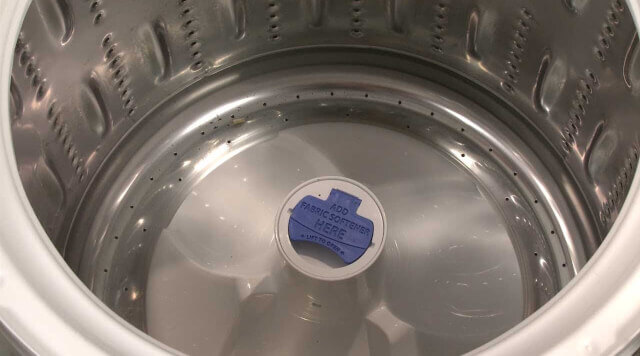
Most liquid fabric softeners contain silicone-based ingredients that can become "gunked up" when they mix with minerals in the water or residual detergent. In GE top-load models, the dispenser is often located at the very top of the Infusor (the low-profile agitator at the bottom of the drum).
If the small drainage holes at the bottom of the dispenser cup become blocked, the softener won’t dispense at the right time during the rinse cycle. This leads to standing water in the cup or staining on your fabrics.
How to Cleaning the GE Washer Infusor and Dispenser
1. Remove the Dispenser Cup
To start, ensure the washer is empty and powered off. Locate the circular dispenser at the top of the Infusor.
The "Unlock" Maneuver: You will see small tabs on the top of the dispenser. Grip these tabs and rotate the dispenser counterclockwise (to the left).
Lift Out: Once it clicks out of the locked position, lift the entire dispenser assembly straight up and out of the Infusor.
2. Clean the Internal Infusor Cavity
With the dispenser removed, you can see down into the Infusor. It is common to find a ring of grime or "scrub" here.
Use a soft cloth or an old toothbrush dipped in warm, soapy water to scrub the interior walls of the Infusor.
Pro Tip: Check the three rectangular drainage holes at the very bottom of the Infusor cavity. If these are clogged, use a toothpick or the toothbrush to clear them. This ensures the centrifugal force can properly move the softener during the spin cycle.
3. Deep Clean the Dispenser Assembly
The dispenser usually consists of two parts: the outer cup and a cover/cap.
Separate the Parts: Squeeze the bottom of the dispenser housing or pull the cup at a slight angle to separate the pieces.
The Soak Method: For heavy buildup, create a cleaning solution of one gallon of warm water, 1/4 cup of heavy-duty liquid detergent, and 1 cup of liquid bleach.
Let the dispenser parts soak for about 10 to 15 minutes. This breaks down the waxy buildup and kills any mold or mildew that may have formed.
Rinse: Thoroughly rinse the parts under a faucet.
4. Reassembly and Locking
Once the parts are clean and dry, snap the dispenser cup back onto its housing.
Lower the assembly back into the center of the Infusor.
Align the tabs and rotate the dispenser clockwise (to the right) until you feel it lock firmly into place. If it’s not locked, it could fly off during a high-speed spin!
Maintenance Tips for a Clog-Free Washer
To prevent future buildup in your GE top-load washer, follow these simple best practices:
Dilute Your Softener: Always dilute the fabric softener with a bit of warm water when filling the dispenser. This thins the liquid, making it easier to flow through the drainage holes.
Use the "Deep Rinse" Setting: If your model has a "Deep Rinse" or "Extra Rinse" option, use it when adding softener. This ensures enough water enters the dispenser to flush it out completely.
Monthly Vinegar Rinse: Once a month, run a "Clean Washer" cycle (or the hottest/longest cycle) with a cup of white vinegar in the drum. This helps dissolve mineral deposits and residual soap film.
Wipe After Use: After your final load of the day, take a quick second to wipe the top of the Infusor with a dry cloth to prevent moisture from sitting in the dispenser.
Frequently Asked Questions
How do I remove the fabric softener dispenser from my GE washer?
To remove the dispenser, grasp the tabs on the top of the Infusor and rotate the cup counterclockwise (to the left). Once it unlatches, lift the assembly straight up. To reinstall, place it back in the center and rotate clockwise until it locks.
Why is there standing water or softener left in my GE washer dispenser?
This usually indicates a blockage in the three rectangular drain holes at the bottom of the Infusor or waxy buildup inside the dispenser cup. Soaking the parts in a mixture of warm water, detergent, and bleach will dissolve the residue and restore proper drainage.
How often should I clean the Infusor and dispenser in my GE top-load washer?
While GE dispensers are designed to be self-cleaning, it is recommended to inspect them once a month. If you notice heavy fabric softener buildup or a musty odor, perform a deep clean using the soak method to ensure optimal rinse performance.
Conclution
A clean Fabric Softener Dispenser is the key to a high-performing GE Top-Load Washer. By spending five minutes every few weeks to check the Infusor, you’ll extend the life of your appliance and keep your laundry looking and smelling its best.
Related Posts
Keeping Your Fingerprint Resistant Stainless Steel Flawless
Learn how to clean GE fingerprint resistant stainless steel without damaging the finish. Discover why you should avoid traditional cleaners, the best DIY soap solution, and expert tips to remove streaks and light scratches from your appliances.
How to Remove and Clean Drawers and Baskets in Your GE Profile and Smart 4-Door Refrigerator
Learn how to remove the freezer drawer from a GE Profile refrigerator and clean the Easy Clean Liner in your GE Smart 4-Door model with our expert step-by-step guide.
Results After Testing the GE Profile Washer and Dryer Combo
Results After Testing the GE Profile Washer and Dryer Combo. We finally received and tested the Profile Combo Washer and Dryer at our Service and Repair Center.
Notice: Internet users spontaneously contributed the article content, and the article views only represent the author himself. This site only provides storage services, does not have ownership, and bears relevant legal liabilities. If you find plagiarism, infringement, or illegal content, please contact the administrator to delete it.