
Learn how to clean GE fingerprint resistant stainless steel without damaging the finish. Discover why you should avoid traditional cleaners, the best DIY soap solution, and expert tips to remove streaks and light scratches from your appliances.
If you’ve recently upgraded your kitchen with GE’s Fingerprint Resistant Stainless Steel, you know the magic: that beautiful, classic metallic glow without the constant "smudge gallery" left behind by kids, pets, or a busy Sunday meal prep.
However, as a homeowner who obsesses over a clean kitchen, I quickly realized that "fingerprint resistant" doesn't mean "self-cleaning." In fact, because these appliances have a specialized protective clear coat, treating them like traditional stainless steel is the fastest way to ruin them.
After scouring the official GE technician manuals and cross-referencing with real-world experiences from fellow home-improvement enthusiasts, here is the definitive guide to maintaining that "showroom shine" forever.
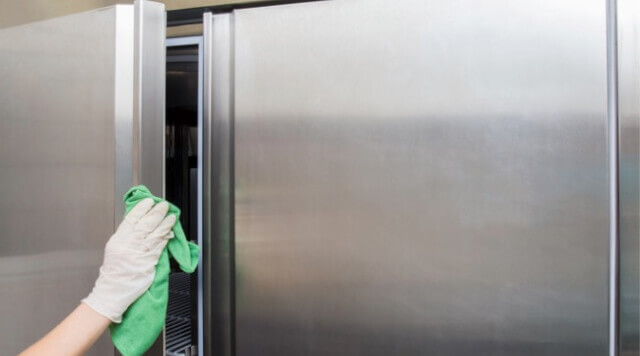

What is Fingerprint Resistant Stainless Steel, Anyway?
Unlike traditional stainless steel, which is essentially a raw alloy surface, GE’s fingerprint-resistant finish features a specialized, durable clear coating. It’s designed to have a rich, satin-like texture that blends seamlessly with other stainless appliances but is significantly less reflective. This coating is what repels oils, but it also means you are cleaning a finish, not just metal.
How to Clean GE Fingerprint Resistant Stainless Steel: The "Less is More" Rule
The biggest mistake people make is overcomplicating the process. You don't need fancy sprays. In fact, you shouldn't use them.
The Daily Routine
For 90% of messes—water spots, dust, or light grease—all you need is:
Mild Dish Soap & Warm Water: Mix a few drops of gentle soap in a bowl of warm water.
Microfiber is King: Use a clean, soft microfiber cloth. Avoid paper towels, which can actually be surprisingly abrasive over time.
Wipe with the Grain: Even though it’s a coated surface, always wipe in the direction of the metal’s "grain."
The Dry Buff: This is the most important step. Use a separate, dry microfiber towel to buff the surface immediately after cleaning. This prevents those annoying "rainbow" streaks or water spots.
The "Red Zone": Why You Must Avoid Traditional Stainless Steel Cleaners
This is where many homeowners get into trouble. If you look under your sink and see a can of heavy-duty stainless steel polish or oil-based cleaner—do not put it on your fingerprint-resistant finish.
Traditional cleaners are often designed to strip away grime from raw metal or leave an oily film to hide prints. On a coated GE appliance, these chemicals can:
Degrade the clear coat over time.
Leave a sticky residue that actually attracts more dust.
Cause permanent discoloration or "clouding."
Strictly Avoid:
Ammonia or Vinegar-based cleaners (the acid can eat the coating).
Bleach or chlorine-based products.
Oven cleaners.
Scouring pads or "Magic Erasers" (these are micro-abrasives that will scratch the finish).
Quick Reference: Cleaning Dos and Don'ts
| What to USE (Safe) | What to AVOID (Damaging) |
| Mild Dish Soap & Warm Water | Standard Stainless Steel Cleaners (can degrade the coat) |
| Microfiber Cloths | Scouring Pads or Steel Wool (will scratch the finish) |
| Clean, Soft Towels | Paper Towels (surprisingly abrasive) |
| Wiping with the Grain | Bleach or Chlorine (causes permanent staining) |
| Immediate Dry Buffing | Vinegar, Ammonia, or Citrus Cleaners (acidic damage) |
| Handheld Steamer (for grease) | Oven Cleaners or Glass Sprays |
Can You Remove Scratches from GE Fingerprint Resistant Steel?
This is the question everyone asks eventually. Maybe a magnet was dragged across the fridge, or a belt buckle caught the dishwasher.
The Honest Truth: Because this is a coated finish and not raw metal, you cannot "buff out" a deep scratch like you might with a car’s paint or a standard stainless sink. If you sand it down, you will remove the fingerprint-resistant coating, creating a permanent dull spot that looks worse than the scratch.
The "Soft Repair" Method:If the scratch is light, try the "Soap and Water" method mentioned above. Sometimes what looks like a scratch is actually just a transfer of material (like plastic or a crayon) sitting on top of the coating. Cleaning it thoroughly often reduces its visibility by 50-70%. For deep gouges, the industry consensus is to leave it alone or contact a professional; DIY "scratch kits" often end in disaster for this specific material.
Real-World Tip: The "Steam" Hack
One trick I’ve picked up from community forums that actually works for stubborn, baked-on grease (like near the range) is using a handheld garment steamer. A quick blast of steam loosens the grime without any chemicals. Wipe it immediately with a microfiber cloth, and the finish looks brand new. It’s a game-changer for those who want a chemical-free home.
Frequently Asked Questions
Can I use Windex or glass cleaner on GE fingerprint resistant steel?
No. Most glass cleaners contain ammonia or vinegar, which are acidic and can break down the protective clear coating over time. For a streak-free finish, stick to mild soap and water, followed by a dry microfiber buff.
What is the best way to remove grease from my GE stove?
The safest method is using warm water mixed with a degreasing dish soap (like Dawn) and a soft cloth. For stubborn, baked-on grease, a handheld garment steamer is an effective chemical-free alternative to loosen grime without scrubbing.
Why does my fingerprint resistant fridge have streaks?
Streaks usually occur if the surface was left to air-dry or if too much soap was used. To achieve a flawless look, always wipe with the grain and immediately use a separate, dry microfiber towel to buff the surface until all moisture is gone.
Conclustions
Keeping your kitchen looking sharp doesn't require a cabinet full of specialized chemicals. Stick to the basics: Soap, water, and microfiber. By respecting the clear-coat technology GE has engineered, you’ll ensure your appliances look as good five years from now as they did the day they were unboxed.
Related Posts
How to Clean a GE Washer Agitator: The Ultimate Guide to a Deep Clean
Learn how to clean a GE washer agitator with our step-by-step guide. Clear fabric softener buildup, eliminate mold smells, and follow professional top-load washer cleaning instructions to keep your appliance in peak condition.
Best Whole House Water Filter
A good whole house water filter works to remove impurities from water at the point of entry and can make a huge difference in your overall water quality.
Smart HQ App For GE Profile Smart Washer, GE Profile Smart Dryer
I wanted to give you guys a brief overview of the Smart HQ app that you need to use for your GE Profile Smart Washer, and your GE Profile Smart Dryer HQ actually stands for Headquarters.
Notice: Internet users spontaneously contributed the article content, and the article views only represent the author himself. This site only provides storage services, does not have ownership, and bears relevant legal liabilities. If you find plagiarism, infringement, or illegal content, please contact the administrator to delete it.