
Learn how to clean a GE washer agitator with our step-by-step guide. Clear fabric softener buildup, eliminate mold smells, and follow professional top-load washer cleaning instructions to keep your appliance in peak condition.
If you’ve noticed that your clothes aren’t coming out as fresh as they used to, or if there’s a mysterious musty odor lingering in your laundry room, the culprit might be hiding in plain sight. For owners of top-load washing machines, the agitator—the tall spindle in the center of the wash basket—is essential for scrubbing clothes clean. However, over time, it can become a magnet for detergent residue, hair, lint, and waxy fabric softener buildup.
Learning how to clean a GE washer agitator is a critical part of home maintenance that can extend the life of your appliance and ensure your laundry stays truly sanitary. In this guide, we will walk you through the professional steps to deep clean your agitator and keep your top-load washer in peak condition.
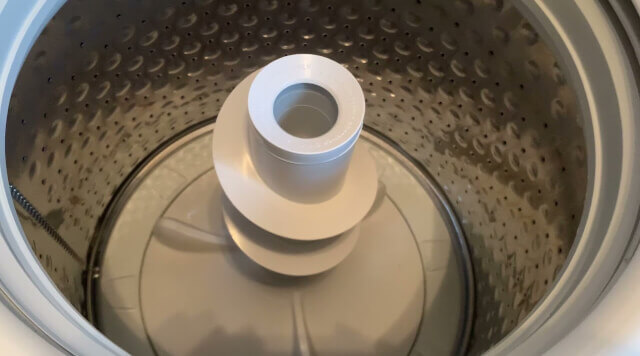

Why Does the Inside of the Agitator Get Dirty?
Most modern GE top-load washers are designed to be low-maintenance, but models equipped with a fabric softener dispenser on top of the agitator require a bit more attention.
When you add fabric softener to the dispenser cup, it is released during the spin cycle. The liquid travels through the hollow interior of the agitator before reaching the wash load. Over months and years, this waxy liquid can coat the inner walls of the spindle, trapping lint and organic material. This creates a "biofilm" that can lead to mold growth and unpleasant smells.
Essential Supplies for Cleaning
Before you begin, gather these simple household tools:
Liquid Chlorine Bleach: 1 cup
Laundry Detergent: 1/4 cup
Long, Slender Soft Brush: A bottle brush or a dedicated cleaning brush works best.
Measuring Cup: For flushing water.
Microfiber Cloth: For wiping down the exterior.
How to Clean a GE Washer Agitator Cleaning Instructions
Following these specific manufacturer-recommended steps will ensure a thorough clean without damaging the internal components of your machine.
Step 1: Set the Proper Cycle
Start with an empty washer. You want to create a high-volume, high-heat environment to break down waxy buildup.
Select the Colors/Normal cycle.
Choose the Super Fill or Deep Fill water level setting.
Select the Deep Rinse option.
Set the temperature to Warm or Hot.
Step 2: Add Cleaning Agents
Directly into the wash basket (the metal drum), pour 1/4 cup of laundry detergent and 1 cup of liquid chlorine bleach. The detergent helps lift oils, while the bleach disinfects and kills mold spores.
Step 3: Remove the Dispenser and Fill
Pull the fabric softener dispenser cup off the top of the agitator. Set it aside to soak in a sink with warm, soapy water. Close the washer lid and allow the machine to fill. Let it proceed to the wash phase and agitate for about 5 minutes. This initial agitation circulates the bleach solution into the agitator's crevices.
Step 4: Scrub the Interior
Lift the lid to pause the machine. Using your long, slender soft brush, reach inside the center of the agitator. Scrub the inner walls thoroughly to loosen any stuck-on sludge or "scrud" (the combination of soap and fabric softener).
Step 5: Flush and Rinse
Use a measuring cup to scoop some of the hot, soapy bleach water from the wash basket and pour it directly down into the center of the agitator. This flushes the loosened debris out of the spindle and into the main drum so it can be drained away.
Important Time Limit: You must complete the scrubbing and flushing in less than 15 minutes. Most GE washers are programmed to automatically drain the water if the lid remains open for too long to prevent flooding or motor issues.
Step 6: Complete the Cycle
Close the lid and let the washer finish the remainder of the cycle. The Deep Rinse phase is crucial here, as it ensures all the loosened grime and bleach are completely flushed out of the system. Once finished, reinstall the clean fabric softener dispenser cup.
Top Load Washer Cleaning: Maintenance Tips
Beyond cleaning the agitator itself, a total Top Load Washer cleaning routine will keep the entire machine smelling fresh.
Leave the Lid Open: After every wash, leave the lid open to allow the interior to dry. Trapped moisture is the primary cause of mildew.
Monthly "Basket Clean": If your GE washer has a "Basket Clean" or "Clean Washer" cycle, run it once a month with a specialized washing machine cleaner or a cup of bleach.
Wipe the Rim: Use a damp microfiber cloth to wipe under the rim of the wash basket and the top edge of the agitator where detergent often splashes and dries.
Check the Filter: Some models have a small lint filter near the top of the agitator or at the bottom of the drum. Consult your owner's manual to see if your model requires you to manually remove and rinse a filter.
Frequently Asked Questions
How do I clean the inside of my GE washer agitator?
To clean the interior, set your GE washer to a Deep Fill and Warm/Hot water cycle. Add 1 cup of bleach and 1/4 cup of detergent to the basket. Remove the fabric softener dispenser cup, let the machine agitate for 5 minutes, then use a long, slender brush to scrub the inner walls of the agitator. Flush with water and complete the cycle.
Why does my GE washing machine agitator smell like mold?
A musty odor is usually caused by waxy buildup from fabric softeners and detergents trapped inside the agitator. This residue creates a "biofilm" where mold and bacteria grow. Regularly cleaning the agitator and leaving the washer lid open after use to allow moisture to evaporate can prevent these smells.
How often should I perform a top load washer cleaning?
For heavy users, a deep clean of the agitator and wash basket is recommended every 3 to 4 months. If you notice black flakes on clothes or a lingering scent, you should perform the cleaning instructions immediately. Running a monthly "Basket Clean" cycle with bleach also helps maintain hygiene.
Conclustions
If you have followed these instructions and still notice a "rotten egg" smell or black flakes on your clothes, there may be a deeper accumulation of debris between the inner and outer tubs. In extreme cases, the agitator may need to be physically removed with a socket wrench for a manual deep-scrub, a task some homeowners prefer to leave to a technician.
By spending 20 minutes every few months to clean inside the agitator, you ensure that your GE washer continues to provide the high-performance cleaning you expect.
Related Posts
Smart HQ App For GE Profile Smart Washer, GE Profile Smart Dryer
I wanted to give you guys a brief overview of the Smart HQ app that you need to use for your GE Profile Smart Washer, and your GE Profile Smart Dryer HQ actually stands for Headquarters.
GE Fingerprint Resistant Appliances: Style Meets Effortless Cleaning
Learn how to clean GE fingerprint resistant stainless steel appliances without damaging the finish. Discover the best easy-to-clean kitchen appliances, including GE Slate and Black Stainless, with expert maintenance tips to keep your kitchen smudge-free and shining.
How to Remove and Clean Drawers and Baskets in Your GE Profile and Smart 4-Door Refrigerator
Learn how to remove the freezer drawer from a GE Profile refrigerator and clean the Easy Clean Liner in your GE Smart 4-Door model with our expert step-by-step guide.
Notice: Internet users spontaneously contributed the article content, and the article views only represent the author himself. This site only provides storage services, does not have ownership, and bears relevant legal liabilities. If you find plagiarism, infringement, or illegal content, please contact the administrator to delete it.