
Learn how to decode GE appliance model numbers with our comprehensive guide. Understand nomenclature for GE and GE Profile refrigerators, washers, and ranges to find exact specifications, manufacture dates, and color codes for parts and repairs.
Have you ever stared at the long string of letters and numbers on your refrigerator or dishwasher and wondered if GE was trying to send you a coded message? You’re not alone. Last year, when my reliable old GE Profile range finally needed a replacement part, I found myself squinting at a silver sticker, trying to make sense of "PSS93YPFS."
As it turns out, these characters aren't just random gibberish. In the industry, this system is called nomenclature, and once you know how to read it, it tells a complete story about your appliance’s DNA.
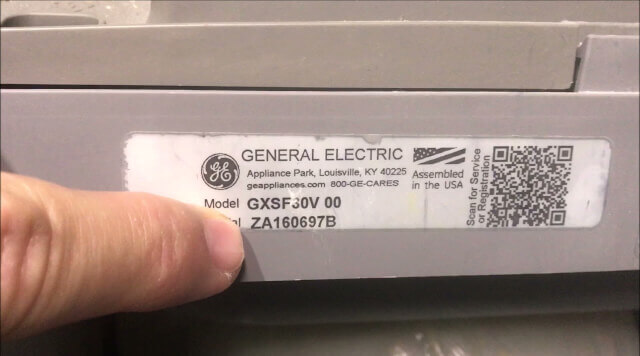
The Secret Language of Nomenclature
A GE model number is essentially a condensed spec sheet. Depending on the product, it can be anywhere from 7 to 11 characters long. Each segment acts as a data point. When I finally looked up the 2024 GE Nomenclature guide, it was like finding a Rosetta Stone for my kitchen.
For most GE and GE Profile units, the breakdown covers:
Brand and Category: The first letter usually tells you the brand (like GE, Profile, or Café) and the type of appliance. For example, in cooking, "W" often signifies a wall oven, while "G" might point to a washer in the laundry category.
Physical Specs: Mid-sequence numbers often represent capacity (like cubic feet for a fridge) or width (30-inch vs. 27-inch ovens).
Fuel and Features: For ranges, certain letters indicate if it’s gas, electric, or induction.
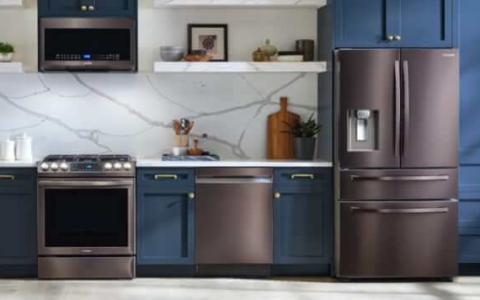
Color and Finish: The letters at the very end—like "SS" for Stainless Steel or "BB" for Black—tell you the exterior aesthetic.
Why Should You Care?
You might think, "I already know my fridge is stainless steel, why do I need a code to tell me?" The real value comes when things go wrong or when you’re looking to upgrade.
A few months ago, a friend was buying a used GE French-Door refrigerator from a local marketplace. The seller listed it as "almost new." By checking the model number "GYE22HSKNSS," we were able to instantly confirm it was a counter-depth model (the "Y" and "22" gave it away) and determine its feature pack level.
Pro Tip: While the model number tells you what it is, the serial number tells you when it was made. On GE appliances, the first two letters of the serial number indicate the month and year of manufacture. If you're hunting for specifications or checking if a unit is still under warranty, having both numbers is essential.
Frequently Asked Questions
Where can I find the model number on my GE appliance?
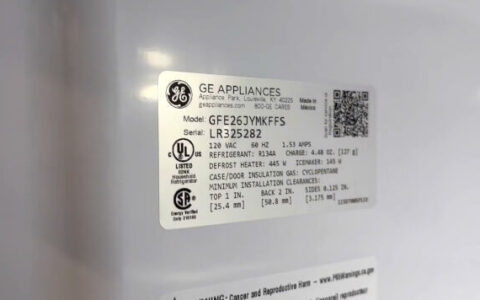
You can typically find the model number printed on a silver or white sticker located on the oven door frame, inside the refrigerator wall, or under the washer lid. This tag provides the official nomenclature needed for parts and manual searches.
How do I tell the age of my GE appliance from the model number?
While the model number indicates the series and features, you actually need the serial number to determine the age. The first two letters of a GE serial number identify the month and year of manufacture (e.g., "LA" indicates June 2022).
What do the letters at the end of a GE model number mean?
The trailing letters usually represent the exterior finish or color. Common codes include SS for Stainless Steel, DS for Black Slate, WW for White, and TS for Black Stainless. These help ensure you buy matching accessories or touch-up paint.
How to Find Your Specifications
If you need the "nitty-gritty" details—like exact energy consumption or installation clearances—the model number is your key to the vault. You can plug that number directly into the GE Appliances support search to pull up the original owner’s manual and "Quick Spec" sheets.
Understanding your appliance’s model number transforms a confusing sticker into a powerful tool for maintenance, repair, and smart shopping. Next time you walk past your laundry room or kitchen, take a second look at those codes—your appliance might be trying to tell you more than you think.

Related Posts
What are the Best Color Alternatives to Stainless Steel Appliances
What are the Best Color Alternatives to Stainless Steel Appliances? More importantly, how to apply a unique color in your kitchen. Finally, we'll wrap up the benefits of stainless steel.
How to Find Your GE Appliance Manufacture Date
Wondering “how old is my GE appliance?” Use our GE serial number chart to find the manufacture date of your fridge or range instantly. Discover where the serial number is located and how to decode the month and year letters in seconds.
Why Monogram Luxury Appliances Are the Heart of the Net Zero Kitchen
Discover Monogram Luxury Appliances featuring the Minimalist, Statement, Designer, and EcoBalance collections. From industry-first 96-inch refrigeration panels to Net Zero home kitchen solutions, explore high-end GE Monogram appliances designed for professional performance and bespoke style.
Notice: Internet users spontaneously contributed the article content, and the article views only represent the author himself. This site only provides storage services, does not have ownership, and bears relevant legal liabilities. If you find plagiarism, infringement, or illegal content, please contact the administrator to delete it.